QR Code Series · Part 2 of 3
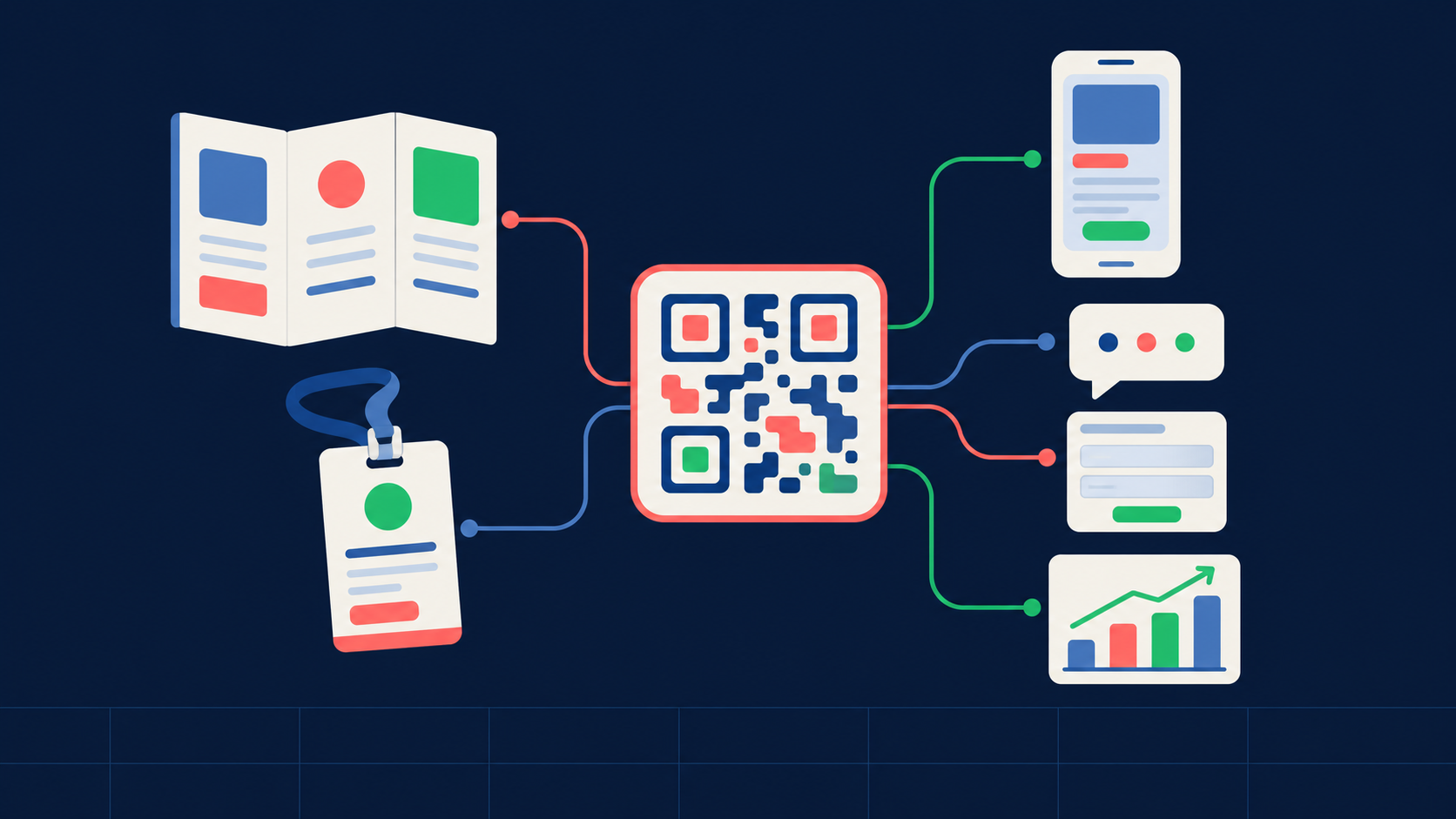
A QR code can move someone from a brochure to a phone in seconds. That is useful, but it is not yet a result.
The result may be a payment, an enquiry, a booking, a product demonstration or a useful support answer. The code is only the doorway.
This is where many business QR codes fail. They send every scan to a general homepage and ask the visitor to begin searching again.
Start with the next useful action
Before generating a code, complete this sentence: After scanning, the customer should be able to...
- view the exact product from the package
- open the service mentioned on the flyer
- start a WhatsApp conversation with context
- register for the event in front of them
- leave feedback after using the service
A clear instruction also performs better than a lonely Scan Me. Tell people what waits on the other side: Scan to View the Menu, Scan to Book a Consultation or Scan to See the Demo.
The Marketpreneurs approach
We see QR codes as a bridge between offline attention and digital action. The same Build, Market, Learn and Grow approach applies.
Build: Create a fast, mobile-first destination that continues the message on the printed material.
Market: Place the code where the next step feels natural: a business card, standee, package, invoice, brochure or event display.
Learn: Use campaign-specific links to understand which event, location or material created interest. A scan is helpful; an enquiry, booking or completed action is more meaningful.
Grow: Improve what happens after the scan. If people arrive but leave, fix the page. If leads arrive but wait, fix ownership and follow-up.
At Marketpreneurs, this helps connect event conversations and printed material with focused pages, lead capture, WhatsApp and measurable follow-up. It gives an offline interaction somewhere useful to continue.
A larger QR code will not repair a weak journey. A relevant destination often will.