Part 3 of SEO vs SEM: Understanding the Two Sides of Search
Meera’s bakery now has a practical decision to make.
She could spend more time improving her website’s organic visibility. She could put money into search advertising. She could divide her resources between the two.
“Which one is better?” seems like the obvious question.
But consider what she might mean by better. More orders this weekend? More enquiries throughout the year? Lower customer acquisition costs? A clearer understanding of which products people want?
Each goal creates a different decision.
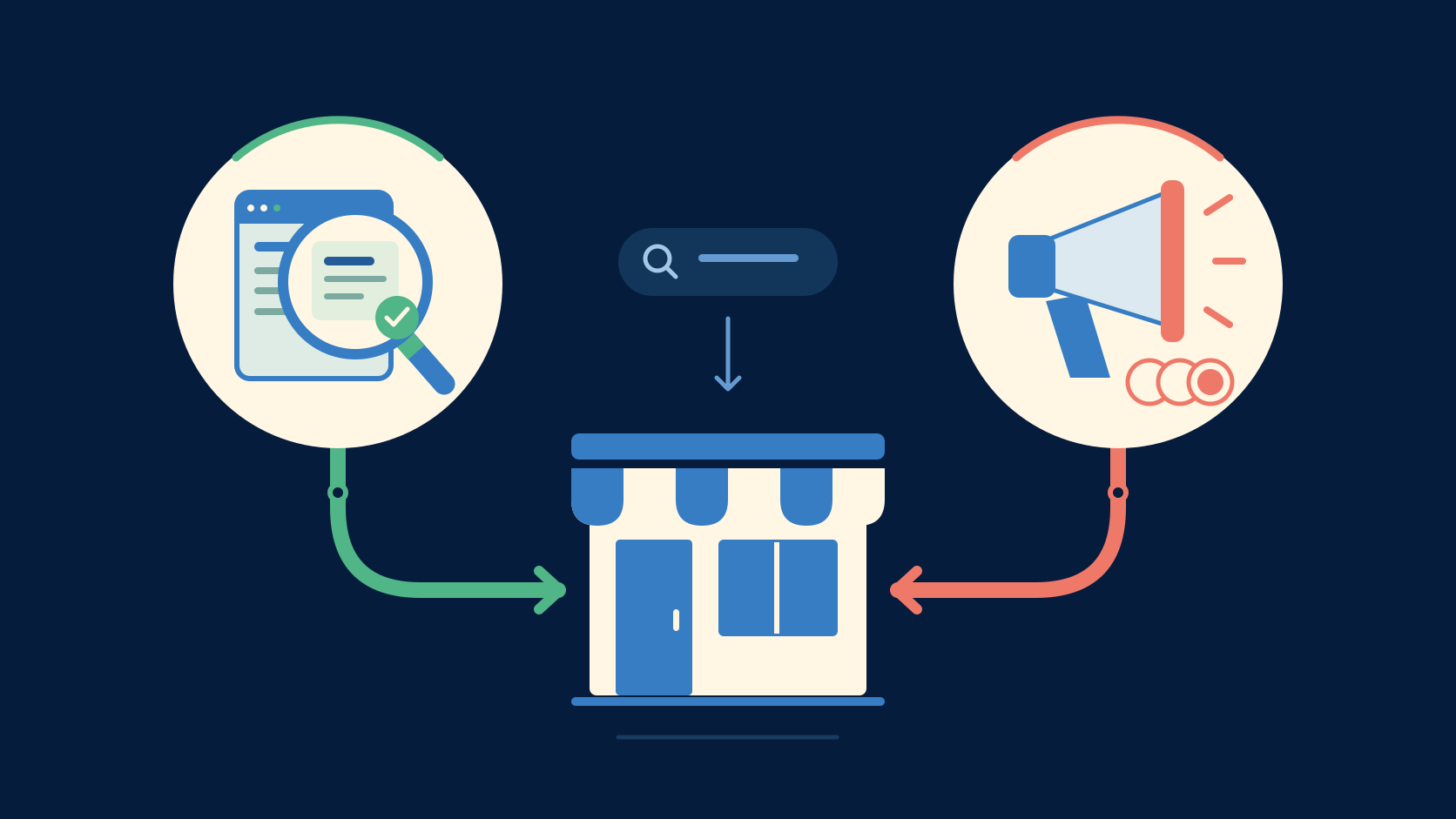
Across this series, we have seen that SEO helps businesses earn organic visibility, while SEM provides opportunities to appear through paid search advertising. Their value depends on the job a business needs them to do.
Begin with the business situation
Suppose Meera launches a festive cake collection that will only be available for three weeks.
The deadline matters. A focused paid campaign could help her reach people searching during that window, provided her ordering process works and the costs make sense.
Now consider her regular eggless birthday cakes. People may look for those throughout the year. Building useful product pages and improving organic visibility could support that continuing demand.
The same bakery can therefore have a short-term advertising need and a longer-term SEO opportunity.
Even that distinction has limits. Paid search can remain useful for years when it brings profitable business. SEO can support immediate purchases when an established page already appears for a relevant search.
Neither approach belongs exclusively to one stage of the customer’s journey.
Look beyond whether money is available
A limited advertising budget does not automatically make SEO easy.
SEO requires someone to do the work: explain products, improve pages, resolve technical problems, and keep information current. For a small business owner, that time may come out of an already crowded week.
Similarly, having money available does not mean a business is ready for paid search.
Imagine a repair company whose website does not explain its service area and whose phone regularly goes unanswered. More clicks would create more missed opportunities.
Before choosing a channel, the business needs a clear offer and a reliable next step.
For Meera, that means accurate availability, transparent ordering information, and a kitchen capable of fulfilling demand. Search marketing works best when it connects people to something the business can actually deliver.
Consider what the customer is searching for
A student searching “how search advertising works” wants understanding. A shop owner searching “search advertising course this weekend” may be considering a purchase.
Both searches could matter to an education business, but they call for different pages and different expectations.
A useful explanatory article might introduce the business to the student. A detailed course page could help the shop owner compare dates, fees, and suitability.
SEO can support both kinds of page. Paid search can also reach people at different stages, although paying for early research visits requires a convincing reason and enough budget to support the journey.
The question is how that visit could become valuable.
Search demand itself matters, too. If a business sells an unfamiliar product that people do not yet know to search for, neither approach can rely entirely on searches for its name or category. The business may need to introduce the idea through other channels while addressing related problems through search.
How SEO and SEM can work together
Picture a customer planning a birthday celebration.
On Monday, they find Meera’s guide to choosing the right cake size through an organic result. They read it and leave.
On Thursday, they search for cake delivery, notice her sponsored result, and recognise the bakery’s name. This time, they order.
SEO helped the customer discover the business. Paid search helped it appear again when the customer was ready.
The sequence could also happen in reverse. Someone might first encounter an ad, then return later through an organic search.
This is why treating the channels as opponents can miss how people actually make decisions.
They can also inform each other. If paid campaigns repeatedly attract suitable customers searching for small celebration cakes, Meera has a reason to investigate whether her website explains those options well enough.
That observation becomes a question to explore, rather than proof that creating a page will automatically produce organic rankings.
Advertising spend does not buy higher organic placement. The benefit comes from applying what the business learns. Google distinguishes paid advertising from organic inclusion and ranking.
Give each approach a clear role
Using both does not require splitting the budget equally.
Meera might maintain her core product pages and invest steadily in SEO, while using advertising for seasonal menus or delivery slots she wants to fill.
Another business might depend more heavily on paid search because its campaigns consistently attract profitable customers. An established website with strong organic visibility might advertise selectively.
Overlap deserves attention as well. If a customer would have found the business organically anyway, an advertising click is not automatically an additional customer. Businesses need to examine overall results and, where practical, test whether extra spending creates extra value.
The measurement should fit the goal. For a bakery, completed orders and their contribution matter. For a service provider, qualified enquiries and eventual bookings may be more useful than raw traffic.
There is no universal ratio to copy. Start with the customer’s need, the business’s timeframe, and the resources available. Give each channel a purpose, then review whether it fulfils that purpose.
The next time you search for something, look at the results with that perspective. Behind each listing is a business trying to meet a need—and a decision about how to become visible when that need appears.