Imagine you’ve started a small lunch delivery business.
Your food is good. Your prices are reasonable. The first few customers seem happy. But when someone asks a customer where they ordered lunch, the answer is: “Some place I found on Instagram. Let me check.”
You earned the order. Your business didn’t quite earn a place in their memory.
That gap is where branding starts to matter.
Business owners often hear that they need a logo, brand colours and a polished website. What rarely gets explained is what these things are supposed to accomplish. Before spending on any of them, there’s a more useful question: What should customers remember about your business, and why should they choose it again?
A clear answer gives your branding a purpose.
Your brand is the impression people carry after encountering your business. Branding is the work you do to shape that impression.
For the lunch business, that might mean becoming known for fresh, home-style meals that arrive before the customer’s lunch break. The menu, packaging, photographs and messages can communicate that promise. Delivering the food on time makes it believable.
Even the way you handle a missed delivery becomes part of the brand. A thoughtful apology and a quick solution say something about your business that a carefully designed Instagram post cannot say on its own.
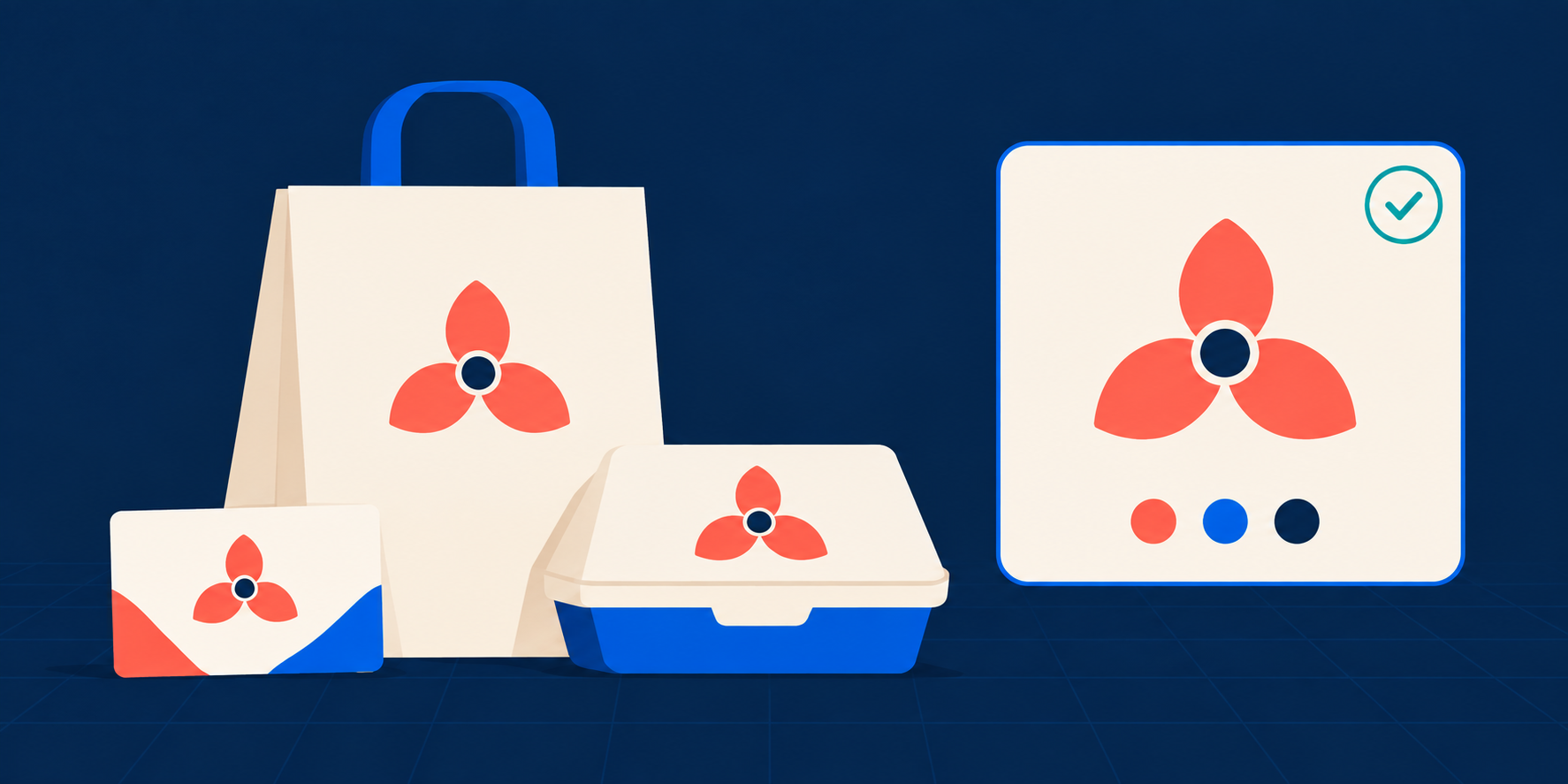
Your logo has a narrower job. It gives people a visual way to identify you.
On a delivery bag, WhatsApp profile or payment receipt, it helps customers connect what they’re seeing with the business they know. As positive experiences accumulate, that familiar mark can bring those experiences to mind.
But a logo cannot create that history by itself. If lunch repeatedly arrives late, customers may recognise the symbol perfectly and still avoid ordering.
This is why branding matters beyond appearance: it connects a business’s promise with the customer’s experience.
Before buying, people face uncertainty. Will this business deliver what it says? Does it understand what I need? Will getting help be difficult?
Clear information, consistent presentation and a recognisable identity can make a business easier to understand and assess. They give customers useful signals. The product and service then have to support those signals.
Branding also helps explain why one business suits a particular customer.
Consider two lunch services. One offers affordable everyday meals for office workers. Another prepares specialised meals for people with specific dietary preferences. Both might serve excellent food, but their customers have different priorities.
If both describe themselves only as “delicious food at great prices,” those differences disappear.
Effective branding makes the choice clearer. It tells the right customer, “This business understands the kind of lunch you’re looking for.” That clarity can support repeat business, recommendations and a stronger reason to buy beyond whichever seller offers the lowest price.
So, is branding necessary?
You can run a business without a formal branding project. You will still develop a reputation. Customers form impressions from your name, communication, reliability and behaviour, whether you plan those impressions or leave them to chance.
A logo is useful, but a custom symbol is not a condition for starting. A clear, readable business name can serve as an early visual identity. Spending heavily on design before understanding your customers may leave you with an attractive identity built around an unclear business.
Start with what you can confidently promise. Decide whom you serve, what makes your offer useful and what customers should consistently experience. Then create a visual identity that expresses those decisions and works wherever customers encounter you.
Does branding play a vital role? It can—especially when customers have several similar options, when repeat purchases matter, or when your business needs to remain recognisable as it grows. Its importance depends on your market and how people buy.
It works alongside product quality, pricing, availability and service. Strong branding cannot keep compensating for a disappointing experience.
For that lunch business, success eventually sounds like this: “Order from them. Their meals arrive before my break, and they sort things out when there’s a problem.”
Now the customer remembers the name. The logo helps them find it again. And the business has given them a reason to return.